I Sprained my Ankle But Got Acupunctured On my Wrist.
I would like to share about acupuncture therapy I received after spraining my ankle.
The Injury
So, I sprained my ankle.
How? I skipped a proper warm-up and played squash as if I were still in my twenties—the age when I could get away with that. Whether the lack of a warm-up actually caused the injury is another question. Maybe the incident says more about the gap between how young I think my body is and how my body actually feels.
At one point, I planted my right foot awkwardly, rolled the ankle inward, and sprained it pretty badly. It was the first time I had injured my right ankle. I am left-handed, and my left ankle has already had more than its fair share of sprains, so apparently my right ankle decided that it was its turn.
I had to kangaroo on one leg to get off the court.
Luckily, one of the people I was playing with was a doctor. He examined my ankle, wrapped it, and told me to gently move it up and down within a pain-free range—small ankle pumps instead of keeping it completely still.
I did not understand the reasoning at the time, but later I found that this advice was consistent with modern rehabilitation guidance, which generally favors early, protected movement and progressive loading for many lateral ankle sprains rather than prolonged immobilization (clinical practice guideline; patient summary).
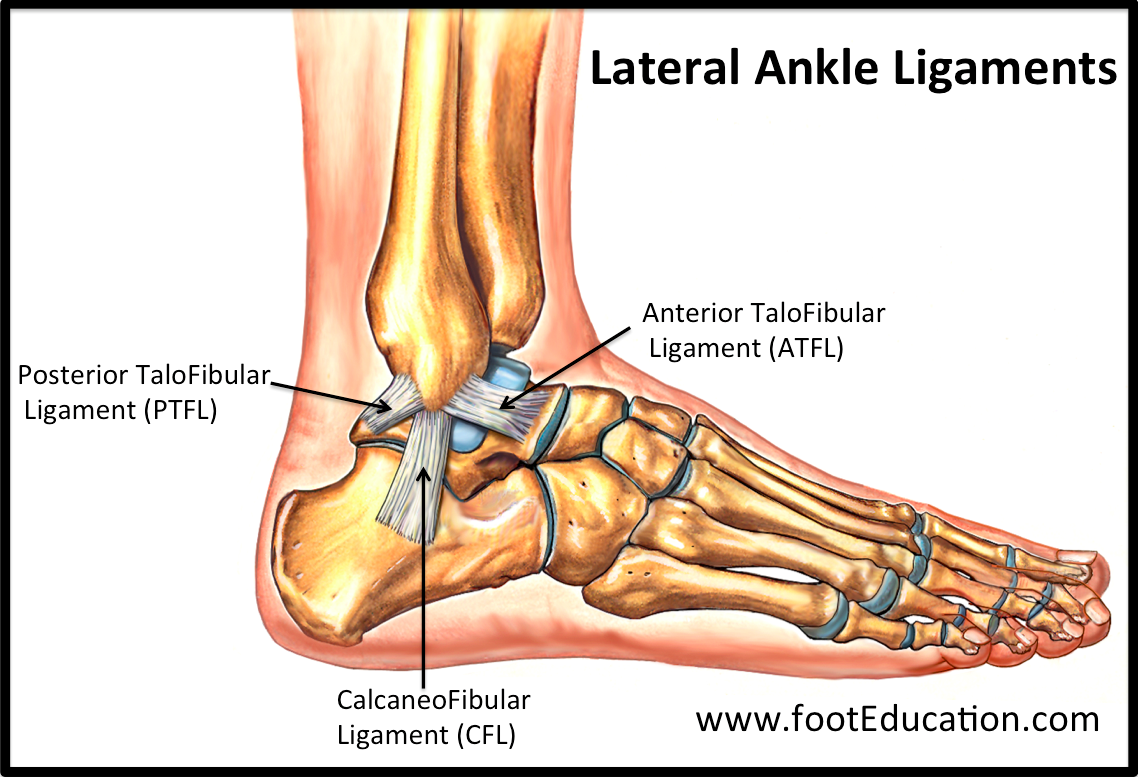
image source: Orthopaedia
Because I had sprained my left ankle several times before, I thought I knew exactly what had happened. The tenderness was near the anterior talofibular ligament, or ATFL—a ligament commonly injured when the ankle rolls inward—so I suspected that it was involved.
Based on my previous sprains, I optimistically assumed that my right ankle would feel normal again within a day or two. Apparently, ankles do not become better at healing simply because the other ankle has had more practice.
When that did not happen, I decided to try acupuncture.
Why Acupuncture Felt Normal to Me
Growing up in Korea, visiting a Korean medicine clinic for a minor musculoskeletal injury felt normal. Acupuncture was familiar and relatively accessible, with many Korean medicine services covered under the national health insurance system.
I once even had needles placed inside my nostrils for rhinitis. Yes, really.
Years earlier, when I had a herniated disc, a practitioner inserted long needles into the muscles near the painful area of my back. It sounded terrifying, and I was terrified. After about a month, however, the pain that had made lying down at night miserable was gone.
I cannot say how much of that improvement came from acupuncture, natural recovery, or something else. Still, the experience left me with a positive impression.
Because of that history, seeing an acupuncturist for my ankle felt like a very ordinary decision.
Here in the United States, though, Cigna did not cover the treatment. I paid $120 for the initial appointment, including the consultation, and each follow-up session would cost $90.
The Needle in the “Wrong” Place
The treatment itself is what sent me down this research rabbit hole.
I had injured my right ankle, but the acupuncturist placed one of the needles in the fleshy area at the base of my left thumb along with other needles near my right knee and ankle.
Most of the needles were barely noticeable. The one in my left hand was the only one that really caught my attention.
The acupuncturist told me that this hand point is often used to reduce ankle pain.
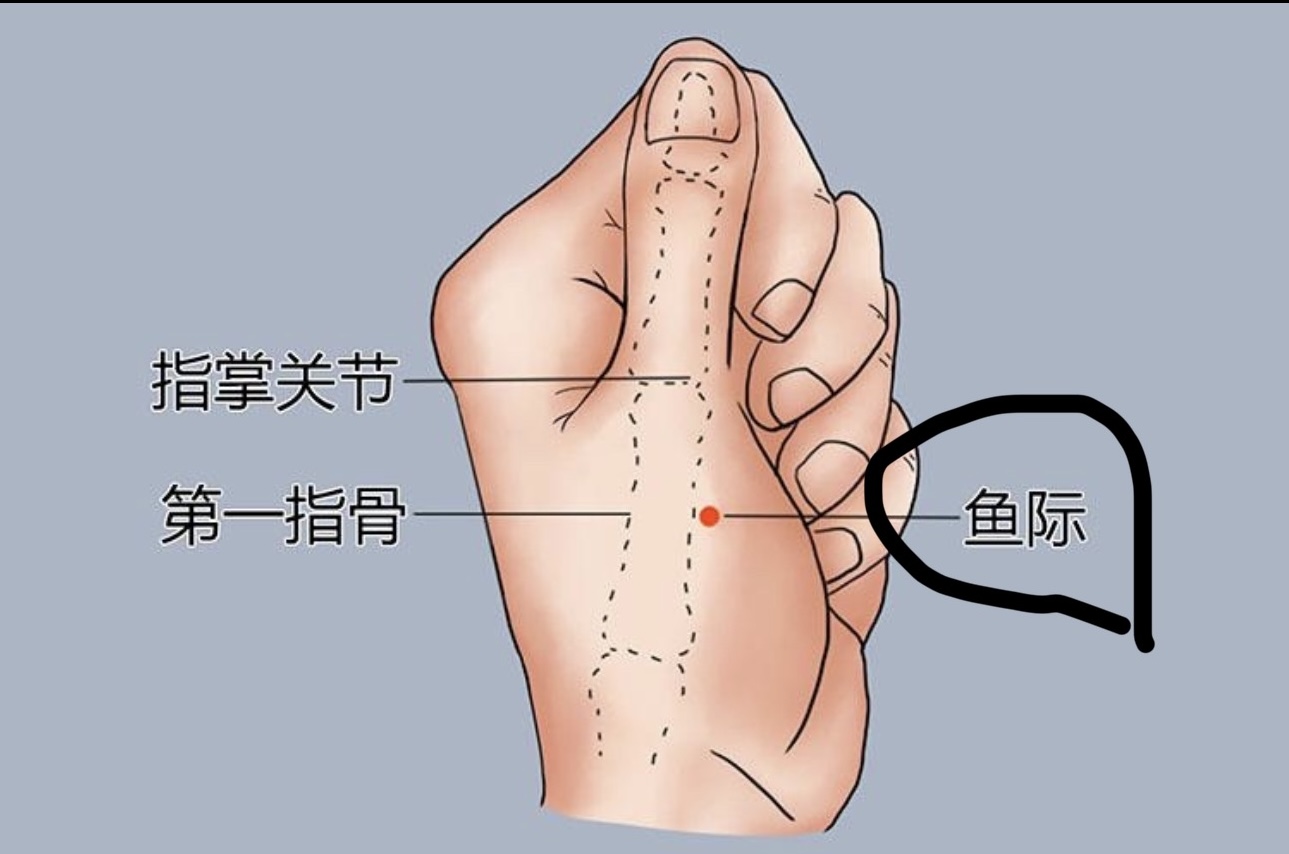
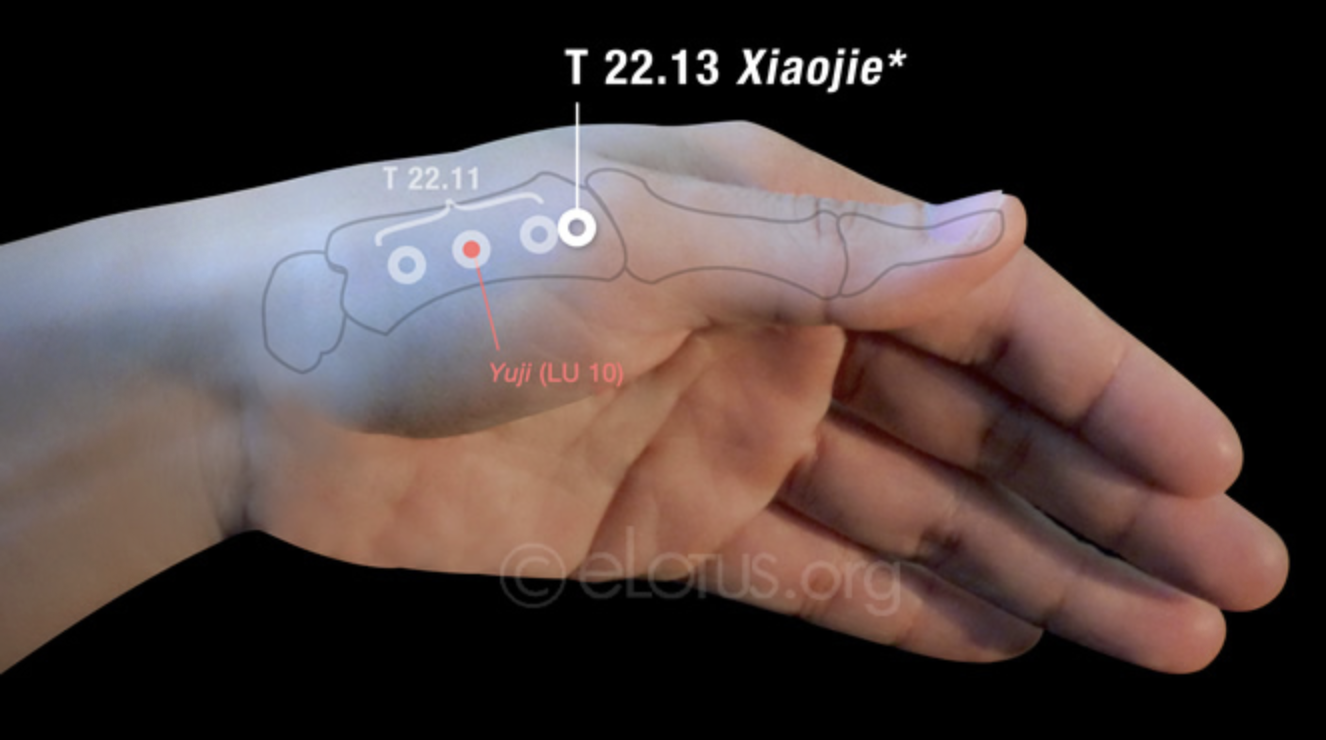
image source: baidu and elotus. Based on the location, the point may have been Yuji (LU10) or Xiaojie (T.22.13), but I am not qualified to identify it precisely.
And I was like:
Wait. How was a point on my left hand supposed to affect my right ankle?
Right to left. Ankle to hand.
It seemed almost deliberately backwards.
Naturally, I asked ChatGPT whether there was any published literature on this. I found a PubMed-indexed one-page Chinese article titled Acute Ankle Sprain Treated with Daling (PC7) Penetrating to Yuji (LU10) as Main.
PubMed provides no abstract, so the record alone tells us almost nothing about the study design, outcomes, or strength of evidence. It did, however, show that a hand-based distal needling technique for ankle sprain had been described in the acupuncture literature.
A broader systematic review suggested that acupuncture may help reduce pain in acute ankle sprain, but it also emphasized substantial heterogeneity, methodological weaknesses, and the need for better-designed trials.
In other words, “published” does not automatically mean “settled.”
This led me to a bigger question:
What might acupuncture be doing physiologically, and how much do we actually know?
From Acupoints to Neural Circuits
The WHO has published standardized nomenclature for 361 classical acupuncture points.
Standardizing the names of acupuncture points, however, is different from establishing how needling produces a biological effect.
One modern way to study acupuncture is to ask a conventional neurophysiology question:
Which sensory neurons does a needle activate, where do those signals travel, and what downstream physiological response follows?
A 2021 paper published in Nature offers one concrete example, but in mice, and for systemic inflammation rather than ankle pain.
The researchers used a mild form of electroacupuncture at a point on the leg called ST36. In mice, this stimulation activated a specific group of sensory nerves (called PROKR2 neurons) that connect to deeper tissues under the skin.
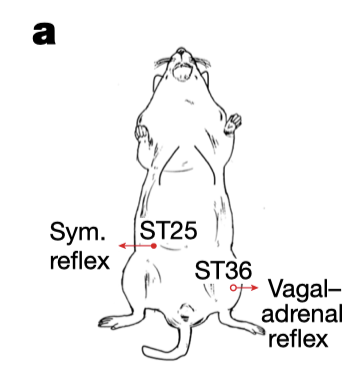
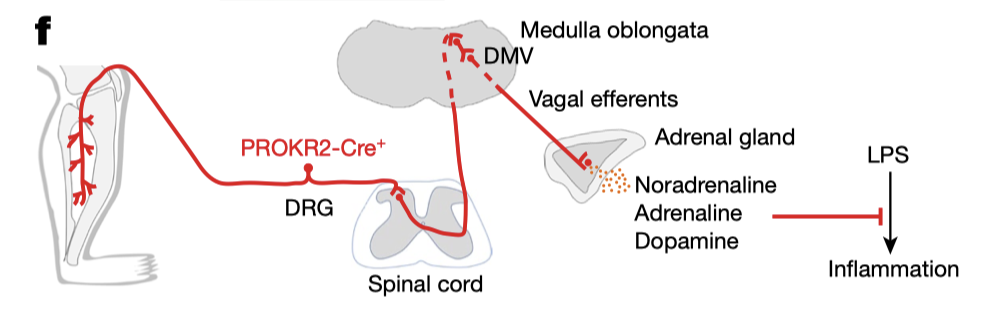
images: A neuroanatomical basis for electroacupuncture to drive the vagaladrenal axis
This nerve activity then triggered a body-wide response involving the vagus nerve and the adrenal glands, which helped reduce inflammation caused by a bacterial toxin.
To test how important these nerves were, the researchers did a few key experiments. When they removed these specific sensory nerves, the anti-inflammatory effect disappeared. The same thing happened when they cut a nerve pathway that carries signals from deeper tissues near the acupuncture point. But when they cut nerves mainly responsible for skin sensation, the effect remained.
They also did the opposite experiment: instead of removing the nerves, they directly activated them using light-based techniques. This recreated the same anti-inflammatory response.
Overall, the study suggests that deeper sensory nerves may play an important role in this specific acupuncture effect in mice. However, it does not show that acupuncture treats ankle sprains in humans, or that the same mechanism explains my own experience.
What it does suggest is that where and how a needle is placed may matter, because different depths of stimulation can activate different nerve pathways.
So what’s the lesson?
I learned about one plausible neural mechanism that may help explain some acupuncture effects.
I did not prove that the needle in my hand healed my ankle, and the papers I found do not establish that. But the research process itself was genuinely fun.
The biggest change was the iteration speed.
ChatGPT did not replace the sources. I still had to open the papers, check what they actually studied, and separate evidence from speculation. But it made it much easier to decode technical terminology, follow references, and turn a strange personal experience into a structured question.
I did not have to search blindly across dozens of websites before I even knew the right vocabulary. I could move quickly from:
Why is there a needle in my left hand?
to:
PROKR2 sensory neurons, the vagal–adrenal axis, and the limitations of a mouse model.
That reduction in friction was exciting.
So whenever something unexpectedly sends me down a research rabbit hole, I may write another post like this one.
This post describes my personal experience and is not medical advice. A painful, unstable, or severe ankle injury should be evaluated by a qualified healthcare professional.